
Evaluating the Effects of Experience Requirements in Entry-Level Jobs on Job Seekers with Little to No Experience
Daisia Murray
The City College of New York
ENGL 21007
Brandon Borocoman
June 22, 2026
Abstract
Entry-level jobs are meant to offer experience for applicants that are either recent graduates freshly stepping into the job market. Nonetheless, employers continue to require past work experience which affects job seekers negatively. This study will evaluate how experience requirements in entry-level jobs affect job seekers with little to no experience. Data was collected through an online survey of 15 participants and an assessment of 30 entry-level job postings from LinkedIn and Indeed, 15 on Indeed and 15 on LinkedIn. The survey responses examined job-search experiences, the overall obstacles in the employment market, and opinions on employer’s requirements. Job postings were inspected for experience requirements, education requirements, skills requested, and whether there will be training provided. The results from the online survey showed that many participants experienced difficulty securing an entry-level job due to lack of experience, causing them to choose not to apply for an entry-level job. The job posting assessment also showed that many entry-level jobs required one or more years of experience although the job states that it is entry-level. Overall, these results suggest that experience requirements create an obstacle for job seekers. By implementing more opportunities such as internships, apprenticeships, and training programs this will help the overall experience of job searching for entry-level jobs and positively affect the relationship between the employer’s requirements and the applicant’s skills.
Introduction
The job market is very time-consuming, competitive, and difficult especially for applicants who are searching for employment in a new work environment. Most companies who advertise entry-level positions still expect applicants to have past work experience, this creates an obstacle for job seekers who actually need to gain experience. An academic study by Kedia et al. (2023) examined 365 entry-level job postings and discovered that numerous employers expect applicants to have past work experience and skills. The study showed that employers usually request qualifications that exceed the basic education requirement, even if the job is meant for entry-level applicants. This is definitely a common issue for college students, recent graduates, and people who recently need a career change. Online media coverage and discussions about the job market, especially with Gen Z applicants, suggests that employers tend to lean towards applicants with previous experience, even if it is an entry-level job meant for beginners. According to “Entry-level jobs should be entry level” by Cindy Meis, numerous employers require applicants to have past work experience for entry-level jobs, creating many obstacles for recent graduates and job seekers. The article further states that entry-level positions should offer opportunities for people to gain experience. This problem is essential because it affects how accessible the workforce is for people that are entering in that category. The overall purpose of this study is to evaluate the research question: How does experience requirements in entry-level jobs affect job seekers who have little to no experience?
This research will inspect the obstacles that prevent job seekers from obtaining a job and give a better understanding why they struggle to secure these entry level jobs even if they meet the basic education requirement. This study will inspect the various entry-level job postings and survey job seekers to understand the requirements employers ask for in entry-level jobs and how it will affect job seekers. These findings will help clarify the disconnect between an applicant’s qualifications and an employer’s requirements while providing suggestions and solutions to help job seekers reach experience goals such as in person or online training programs, internships/apprenticeships, or simulation learning softwares.
Materials and Methods
Materials
– 30 job postings from Indeed and LinkedIn (15 LinkedIn, 15 Indeed)
-Google Forms survey
-Google Sheets spreadsheet
-Scholary article from the CCNY Library databases and news source
-Figures and tables
Methods
Step 1: Entry-level job postings were collected from Indeed and Linkedin. Thirty entry-level job postings were examined, including 15 postings from Linkedin and 15 postings Indeed. The data recorded from each job posting included job titles, experience requirements, education requirements, skills, and training opportunities by the company.
Step 2: An online survey was created and given to college students, recent graduates that have little to no experience. 15 subjects participated and were asked about their job-search experiences, the number of applications they submitted, the number of interviews received, and their opinion of experience requirements with a difficulty rating.
Step 3: The collected data from the entry-level job postings and online survey were organized separately in a spreadsheet. Patterns within the study were examined in order to know whether entry-level jobs usually require past experience and how these requirements affect job seekers. Tables and graphs were made to show the study’s findings with a clear visual.
Results
Survey Data:
Fifteen participants completed the survey analyzing their experiences securing an entry-level job. Some participants had moderate to high difficulty when looking for entry-level jobs and constantly faced job postings that required past experience. Lack of experience was the biggest obstacle when obtaining an entry-level job.
| Survey Inquires | Common Responses | Frequency (%) |
| Experience required in entry-level jobs | Very Often | 53.3% (8) |
| Difficulty obtaining an entry-level job | 3 (Moderate difficulty) | 40% (6) |
| Biggest obstacle | Lack of experience | 53.3% (8) |
| Solution | Internship/Apprenticeship | 86.7% (13) |
Table 1. Summary of Survey Responses Regarding Entry-Level Job Difficulties (n = 15)
The frequency of obstacles reported when applying for entry-level jobs is displayed in Figure 1.
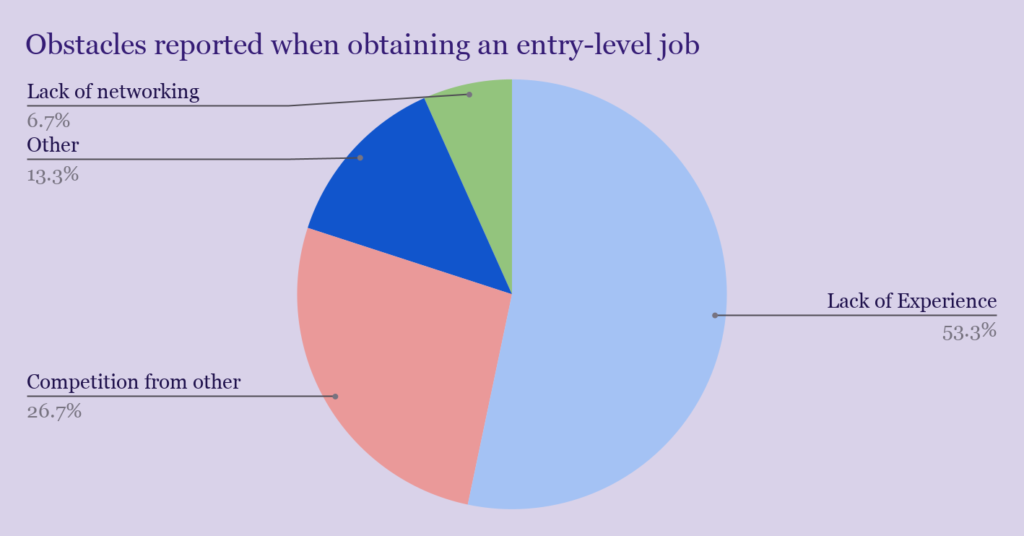
Figure 1. Reported obstacles faced by participants when applying for entry-level jobs.
Job Posting Findings:
Thirty entry-level job postings were examined, including 15 postings from Linkedin and 15 postings Indeed. The data recorded from each job posting included job titles, experience requirements, education requirements, skills, and training opportunities by the company. Job postings that listed a range of experience required were categorized as the maximum years of experience requested. For instance, jobs that required 0-2 years were classified in the 1-2 years category.
| Experience Requirement | Number of Postings for Experience |
| No Experience Required | 16 |
| 0-1 year | 4 |
| 1-2 years | 8 |
| 3+ Years Experience | 2 |
Table 2. Experience Requirements in 30 Entry-Level Job Postings
A visual representation of the maximum years of experience requested.
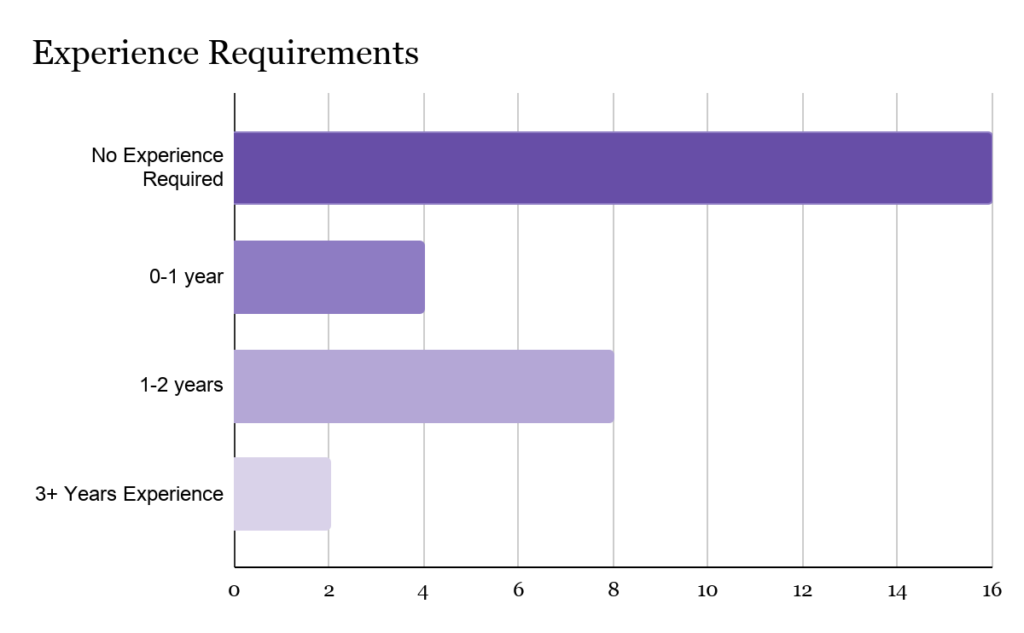
Figure 2. Experience Requirements in 30 Entry-Level Job Postings Graph
Discussion
The overall purpose of this study was to evaluate how experience requirements in entry-level jobs affect job seekers who have little to no experience. The job posting assessment and survey responses were used to establish that employers required past experience for jobs listed as entry-level and how the requirements listed affects job seekers.The survey responses showed that numerous participants experienced difficulty obtaining an entry-level job due to lack of experience. The job posting assessment from LinkedIn and Indeed showed that many jobs listed as entry-level required one or more years of experience.The results connect to the news article and the scholarly article, indicating that employers create obstacles for recent graduates and job seekers with less experience when applying for entry-level jobs.
The results from this study indicate that experience requirements create a wall between an applicant’s qualifications and an employer’s requirements. Even though most job seekers meet the basic education requirement, there is still a struggle to be accepted for a job due to lacking the proper experience. Many limitations were made aware during these findings, including the number of people who participated in the survey, the number of job postings evaluated, and most job postings were listed in ranges. Future research could analyze more job postings and determine the likelihood of internships, apprenticeships, training programs being beneficial for applicants to gain experience needed to secure an entry-level job. In addition, introducing learning-based gaming software like DMCareerIQ: Administrative Assistant Training Simulator, a concept that I designed to help users gain workplace experience and skills before starting careers similar to admin assistants, will be beneficial for applicants.
References
Kedia, S. K., Entwistle, C., Lee, G., Magaña, L., Burke, E. M., & Joshi, A. (2023). Expectations of employers in the United States for entry-level public health job skills with a bachelor’s degree: an analysis of the positions advertised in an online job portal. Frontiers in Public Health, 11, 1218509. https://doi.org/10.3389/fpubh.2023.1218509
Meis, C. (2026, March 9). Entry-level jobs should be entry level. Entry-level jobs should be entry level | HR Dive. https://www.hrdive.com/news/entry-level-jobs-should-be-entry-level/814058/

This entry is licensed under a Creative Commons Attribution-NonCommercial-ShareAlike 4.0 International license.

