
To: Commissioner of the New York City Department of Environmental Protection (DEP)
From: Daisia (Topic Supervisor), Steven (Research Director), Rodolfo (Submission Manager)
Date: June 11, 2026
Subject: New York City’s Drainage System & Flooding Risks
The purpose of this memo is to address the limitations of New York City’s drainage system during times of severe flooding and come up with solutions that adequately solves the issue at hand. This memo is aimed at public officials who should take important steps to ensure that floods don’t become as destructive, if not totally minimized.
Background
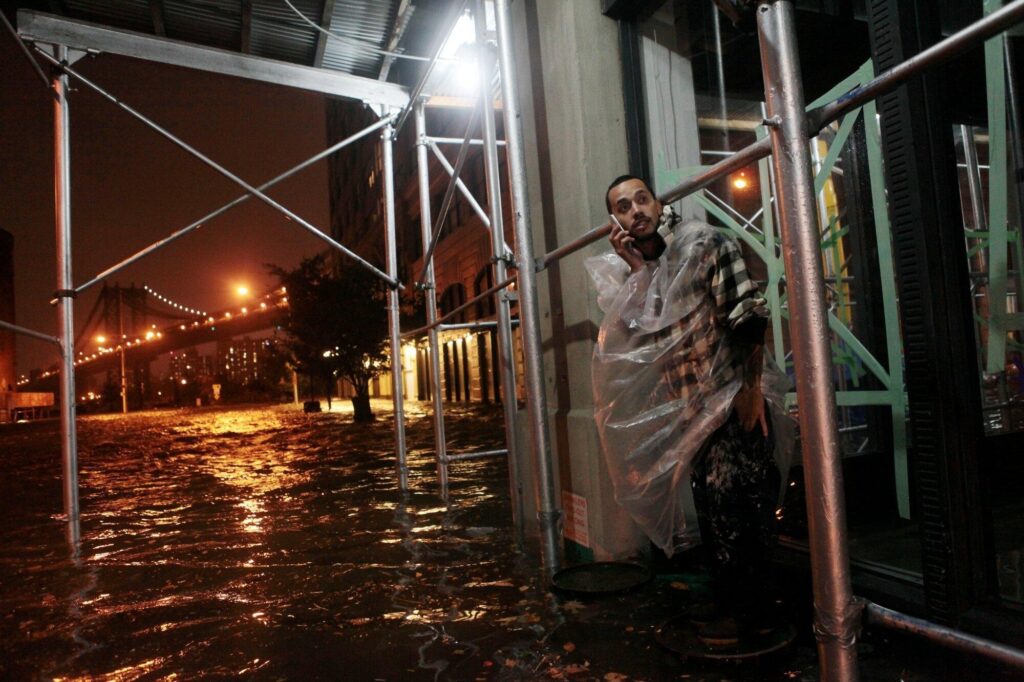
In 2012, Hurricane Sandy made landfall in New York City. In the days that followed, intense floods spread out, damaging homes, businesses, transit networks, and more. To say New York wasn’t adequately prepared for the hurricane would be an understatement, as it brought to light the inadequate drainage system that had existed in the city for decades.
Analysis
Recent research has pointed out that New York City’s current built-in drainage system becomes overwhelmed during major weather events. Researchers in “Compounding effects of changing sea level and rainfall regimes on pluvial flooding in New York City” have pointed out that the current sewage system in New York City is only designed for rainfall rates at 0.6–1.5 inches per hour. However, in recent years, with Hurricanes Ida and Elsa in 2021, both storms had recorded rainfall rates of about 3 inches and 2.3 inches per hour respectively, exceeding what the sewer system was meant to handle. In addition, they have also mentioned that over the past century, the number of days with intense rainfall increased. What these findings have indicated is that with inadequate sewer systems, the risk of more frequent flooding has only gone up.
Recent news coverage of recent flooding events has indicated that even in the +10 years after Hurricane Sandy, the sewer system continues to struggle with overflowing water during intense rainstorms, and residents are dealing with the consequences. According to a 2026 article in CBS News, when a recent rain storm hit, residents in the Queens neighborhood of Hollis were left with flooded houses, cars, and having to clear out debris. It had become clear that the rainwater that poured in had gone above the sewer system’s capacity, and caused flooding there, and other areas of Brooklyn and Queens. This shows that with the lack of an effective drainage network, a rapid collection of rainwater can cause severe damage to a neighborhood, and may lead to people having to move out of their homes.
Together, what the implication from what research articles and new sources have told us, is that if New York City doesn’t adapt and invest in major anti-flooding infrastructure projects, then the risk of overflowing bodies of water in communities will only increase in size, intensity, and frequency.
Recommendations
We recommend the following solutions be invested in and implemented over the following years to improve NYC’s drainage system:
- New protective barriers for vulnerable communities.
- ‘Green’ infrastructure, such as curbside rain gardens.
- Installation of more slotted manhole covers.
Sincerely,
Daisia (Topic Supervisor), Steven (Research Director), Rodolfo (Submission Manager)
Contributions
Daisia made a daily check-in to see if we were making any progress on our memo on the drainage system. Steven has assisted in providing research articles about the topic to choose from. And I (Rodolfo), have compiled our findings into the final draft of the memo, ensuring consistent formatting.
Sources Cited
Ghanbari, M., Dell, T., Saleh, F. et al. Compounding effects of changing sea level and rainfall regimes on pluvial flooding in New York City. Nat Hazards 120, 6377–6400 (2024). https://doi.org/10.1007/s11069-024-06466-8
Rozner, Lisa. “NYC Flooding Brought on Because Sewer System Couldn’t Keep up with Intense Rainfall, Mayor Mamdani Says.” CBS News, CBS Interactive, 21 May 2026, www.cbsnews.com/newyork/news/new-york-city-rain-hollis-queens-flooding-zohran-mamdani/.

This entry is licensed under a Creative Commons Attribution-NonCommercial-ShareAlike 4.0 International license.

